
Working at Women Offshore, I spend my days focused on supporting women in maritime careers, but like many people shoreside, my understanding of life at sea has largely come through the stories others share.
That shifted on a recent trip.
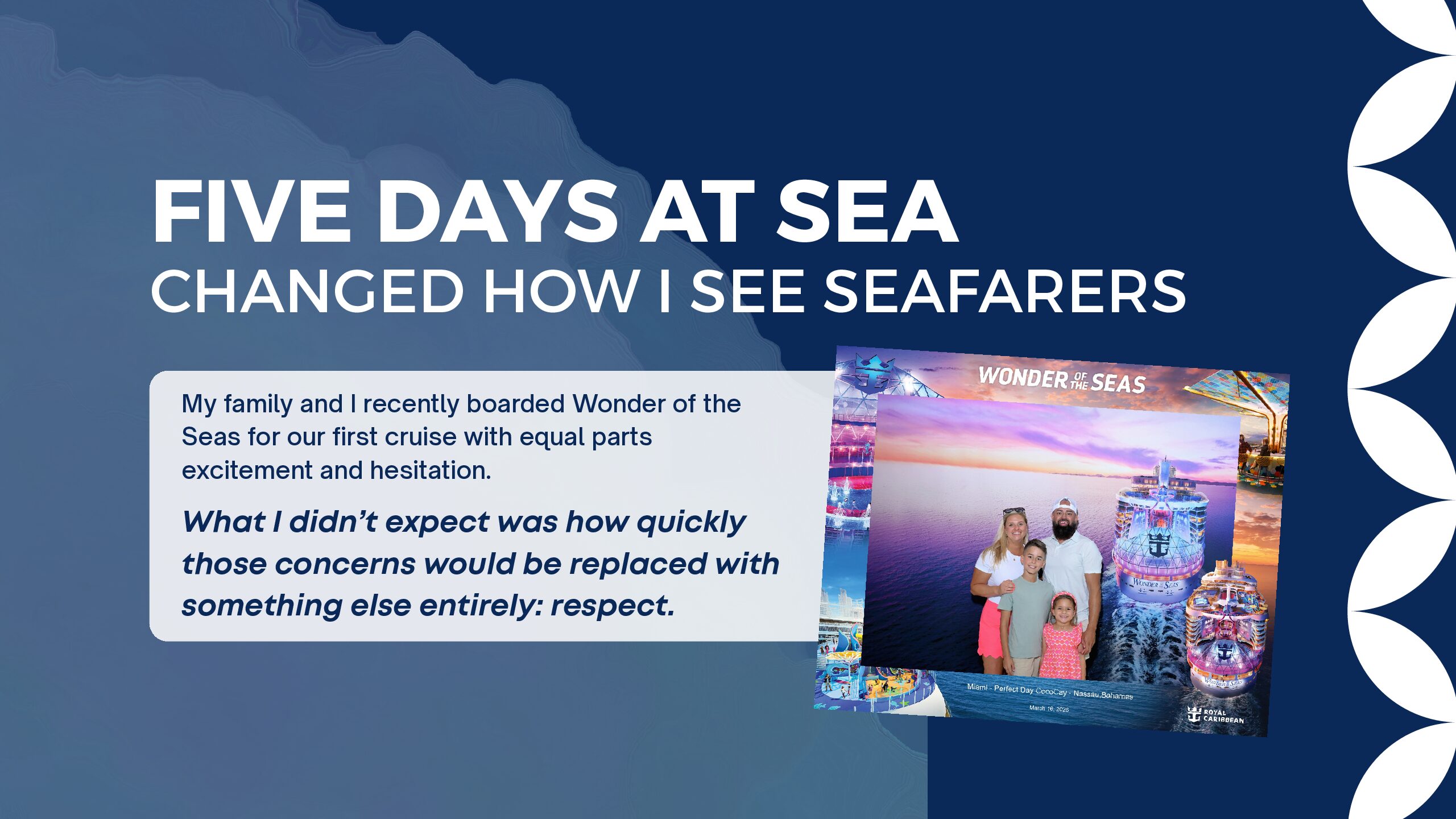
My family and I recently boarded Wonder of the Seas for our first cruise with equal parts excitement and hesitation. A 10-year-old and a 5-year-old, away from land, routines, and the familiar, there was a lot we couldn’t predict. As parents, you think about the “what ifs.”
What I didn’t expect was how quickly those concerns would be replaced with something else entirely: respect.
Not just for the experience itself, but for the people who make it possible.
The trip was seamless. Our kids were happy, engaged, and constantly taken care of in ways that felt personal, not transactional. But what stayed with me wasn’t the itinerary or the amenities.
It was the people.
And more specifically, the women working onboard.
On our second night, we took our kids to a show in the AquaTheater. It was described as high-energy, technical, and intense. That part was true. But it didn’t fully capture what we witnessed.
The entire cast was female.
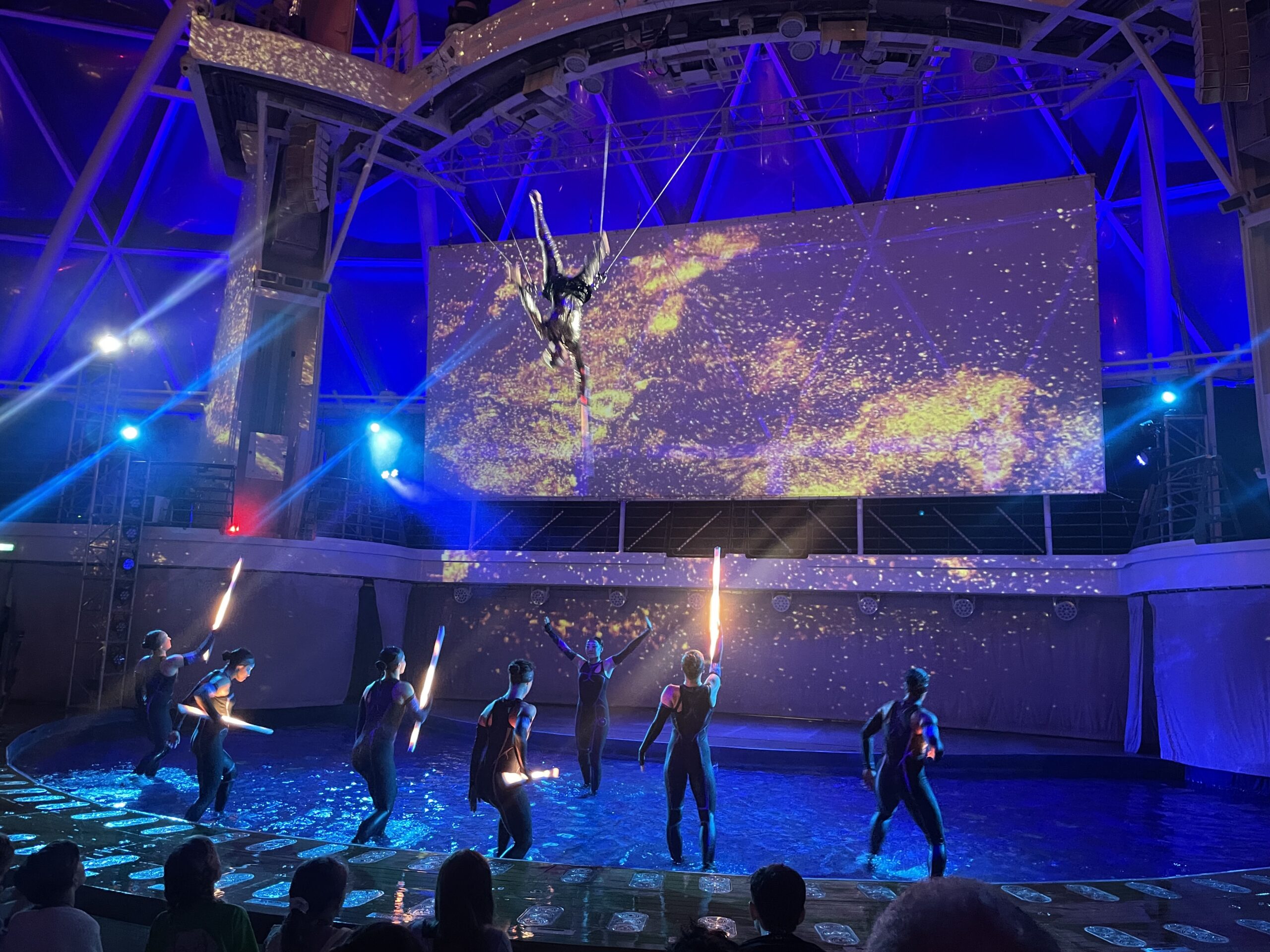
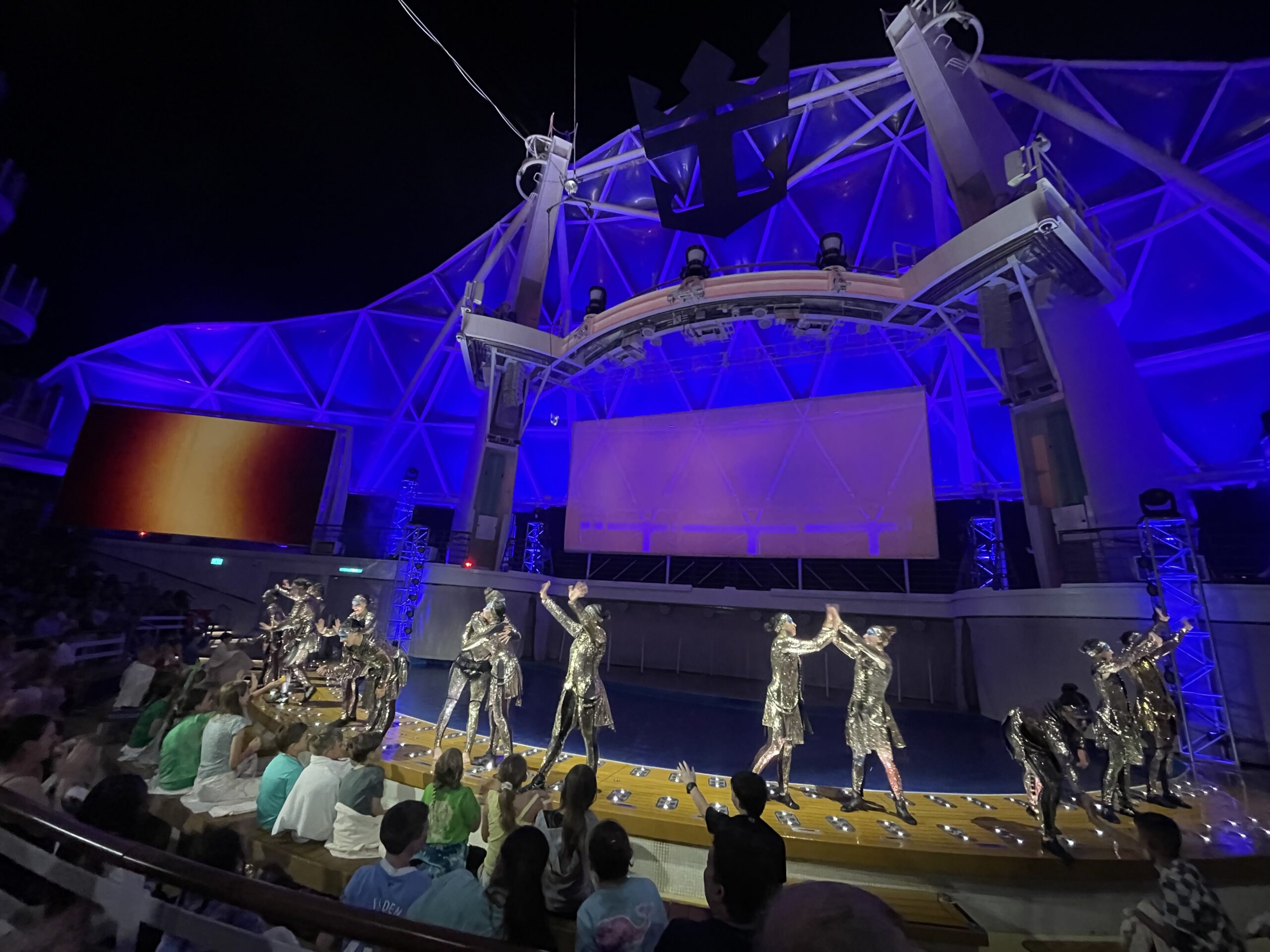
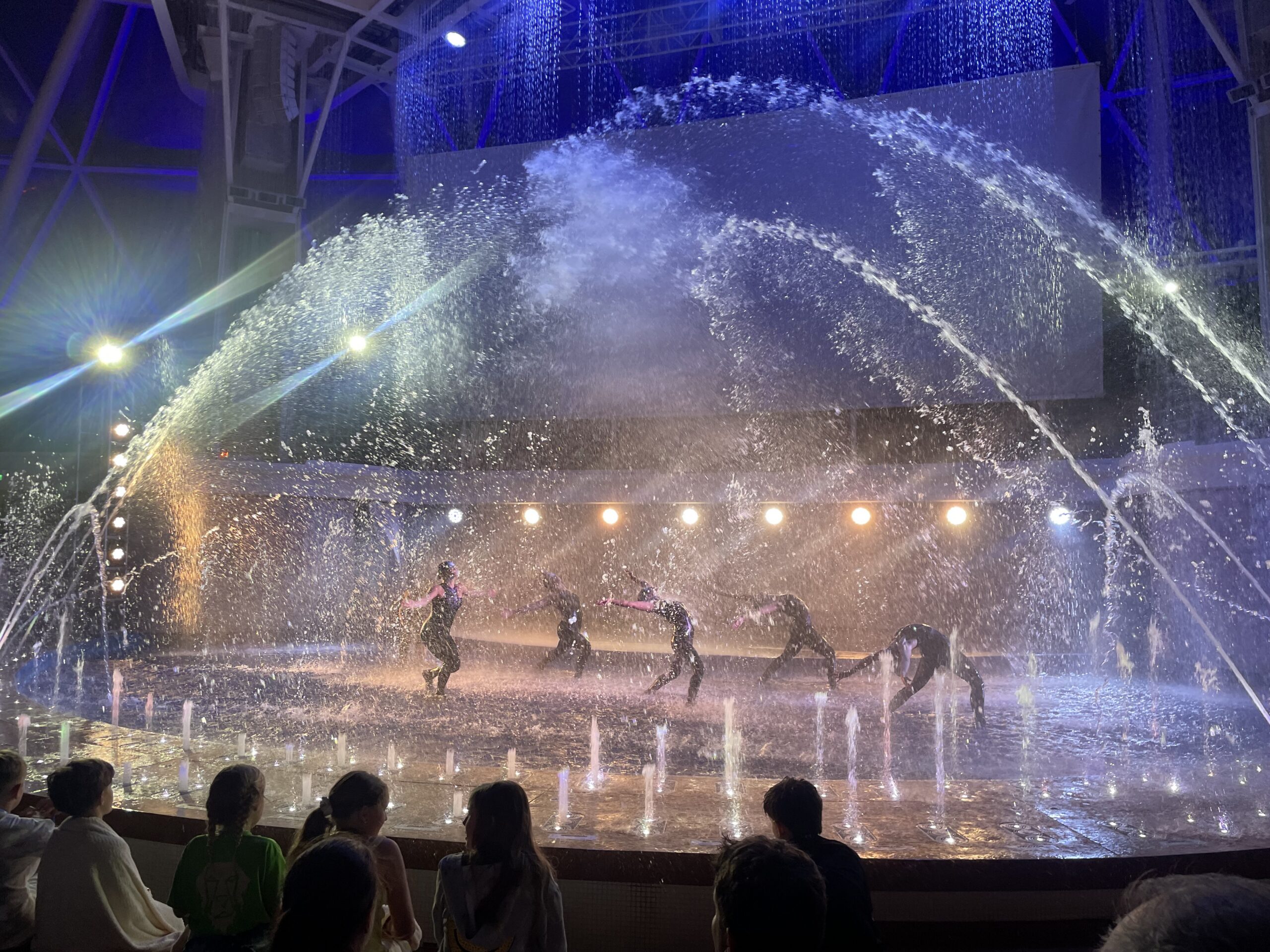
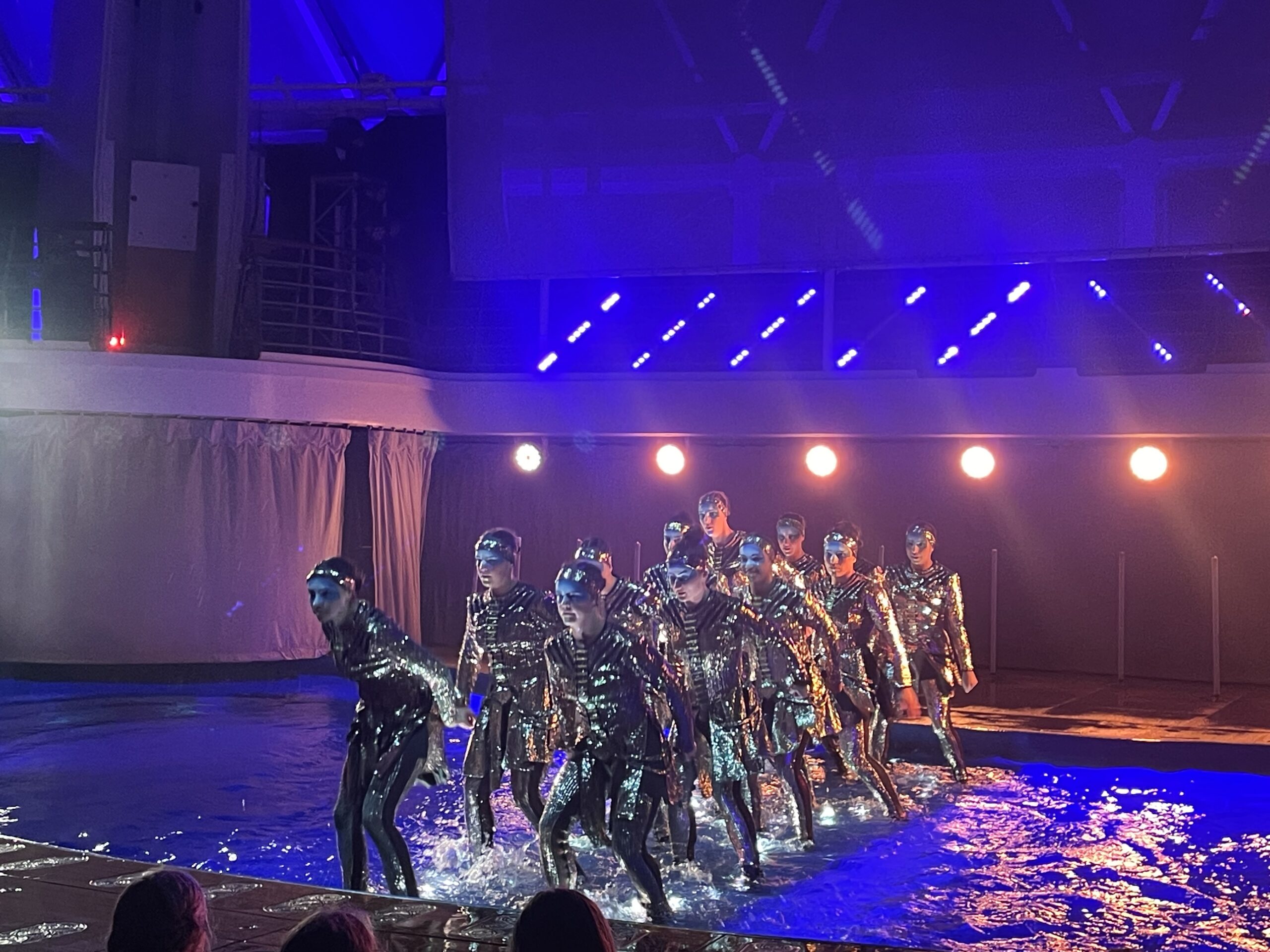
What stood out wasn’t just the athleticism, though that alone was impressive. It was the way these women moved through the performance with precision, control, and trust in one another. Tightrope walking. High dives. Synchronized swimming. Acrobatics. Every movement required strength and timing, but also confidence in the person next to you.
They weren’t just performing. They were working at a high level, together, at sea.
I found myself watching them, but also watching my kids watch them.
My daughter sat forward in her seat, completely locked in. My son didn’t look away. There was no explanation needed. They were seeing women do physically demanding, technical work, and do it exceptionally well.
That kind of visibility matters more than we always realize.
Earlier in the week, we had briefly met two of the performers, one from Scotland and one from the U.S. They were kind, open, and genuinely proud of what they do. Not in a rehearsed way, but in a way that comes from putting in the work and knowing it shows.
That same pride carried across the ship.
We saw it in leadership, too. The Cruise Director, Katy, set the tone, visible, confident, and clearly respected. You could feel that presence throughout the experience.
And then there were the women who kept everything running day in and day out.
Our waitress, Judith from South Africa, shared that she was nearing the end of an eight-month hitch. At the end of it, she would go home to her four-year-old daughter, for two months, before returning to do it all again.
She didn’t share that story for recognition. It came up naturally, in conversation. But it stayed with me, as I sat there enjoying quality time with my daughter and son.
Because behind the service, the smiles, and the consistency is a reality many people don’t see: long stretches away from home, from family, from their own routines, so others can enjoy theirs.
What also stood out was the level of care.
Not the kind that’s written into a job description, but the kind that shows up in small, consistent ways.
At dinner, staff treated our kids like they mattered. One hostess took my daughter’s hand and walked her through the dining room like she was the most important person there, asking about her day, bringing her balloons, folding napkins into birds just to make her smile.
In the kids’ program, staff remembered our children’s names, their preferences, what they liked and didn’t like, even when they had only been there briefly.
My kids didn’t just have fun. They felt known.
And that doesn’t happen by accident.
By the end of the trip, I realized something had shifted for me.
I came on board thinking about what the experience would be like for us.
I left thinking about what it takes for people to create that experience, for thousands of guests, every single day, while living and working at sea.
And I left with a deeper appreciation for the women doing that work.
Women performing at a high level. Leading teams. Managing long hitches. Supporting each other. Creating environments where others feel safe, seen, and taken care of.
My kids saw that, too.
They saw women in control, in motion, in leadership, and in service, not as background, but as essential.
That matters.
Because for anyone building a career on the water, visibility isn’t just about being present. It’s about being seen for the work, the skill, and the commitment it takes to do the job well.
And after five days at sea, that’s something we won’t forget.
Related posts:
 Navigating the Welfare Waters: ISWAN’s 2024 Annual Review for Yacht Crew
 Breaking Barriers: The Inspiring Journey of Commander Pawlak-Zientarska
 Steady Success of Christalove Agyin-Ayetse
 Leading the Wave: Ana Čalić’s Vision for a Sustainable Boating Industry
 New Year, New Job? Knowing When It’s Time for a Change


Recent Comments